
‘Gulenists’ talk about finding a safe haven in Kosovo
Date posted: January 20, 2018
Three Turkish nationals discuss their decision to seek refuge in Kosovo following ‘crackdowns’ in Turkey after a failed coup in 2016.
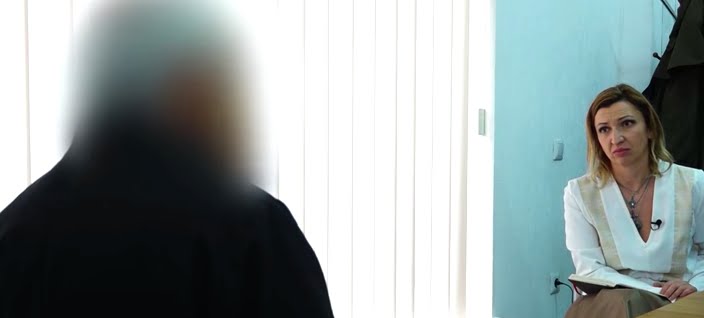
“Tens of thousands of people, educated people, academics, journalists, lawyers, are scattered around the world… trying to find a safe place where they can be sheltered and continue their lives with their families,” an anonymous Turkish national living in Kosovo told BIRN.
On Jeta ne Kosove, he and two other anonymous former civil servants discussed how Turkey’s crackdowns on the press and individuals and groups with ties to the Gulen movement, particularly educators, has led thousands to flee their country.
In July 2016, after an attempted coup, the Turkish government declared a state of emergency, ordered the closure of many media and news organizations, and suspended and arrested tens of thousands of workers in sectors from the army and the police to NGOs and the education system.
“Every night I sleep with the hope that the next day I will go back to Turkey. I miss my homeland, the place where I was born and the beauty of Turkey, which is very dear to me, like to everyone else. I came [to Kosovo] to not be imprisoned.”
Thousands of Turkish nationals, including Gulenists, opposition members, and minorities, fled Turkey and scattered throughout the globe, particularly in Europe and the US; some educators and civil servants with actual or alleged ties to the transnational religious Gulen movement fled to Kosovo.
“We share a 500-year history with Kosovo. Kosovo confirmed our impressions that we can adapt easily here, due to people’s warm reactions when they see Turks, and the historical and cultural familiarity,” a civil servant interviewed by BIRN explained. He was one of three Turkish nationals who agreed to speak–all on the condition anonymity–about his decision to flee to Kosovo.
“Not only people who were associated with the Gulen movement, but also people from all walks of life who opposed Erdogan, were laid off, imprisoned and became victims, with the justification being based on this fabricated coup,” he added.
Turkish President Recep Tayyip Erdogan claims that the Gulen movement–which Turkey considers a terrorist organization, calling it the Fethullah Terrorist Organization, F..O–instigated the attempted coup. Fethullah Gulen, who has lived in voluntary exile in Pennsylvania since 1999, has rejected these claims and maintains that his movement is against anti-democratic violence.
In the Balkans, where Gulen private schools have operated for years, Turkish officials have pressured governments to suppress Gulen-linked NGOs and schools.
Anxieties were especially heightened in Kosovo this winter when the country became the first in the Balkans to arrest a Turkish educator with alleged Gulenist ties.
In December, Kosovo Prosecutor Ali Rexha withdrew his request for Kosovo to allow the extradition of Turkish citizen Ugur Toksoy, but his arrest still sent waves through the Turkish community in Kosovo.
“I talk as someone who has created a serious emotional connection with Kosovo, and because of political concerns in Turkey, I have sought refuge here,” one civil servant said. “When the news [about Toksoy’s arrest] circulated on the internet and social networks, many friends called to ask about my safety here, and to challenge my positive attitude towards Kosovo.”
Kivlcim Kilic, the Turkish Ambassador to Kosovo, said that the embassy finds it “concerning… to hear statements regarding court processes in Turkey and especially statements about mistreatment, torture, and cruel practices.”
“We believe in Kosovo’s justice system. Just as we believe in Kosovo’s justice system, we expect that [Kosovo] also believes in Turkey’s justice system,” she said to Anadolu Agency.
One Turkish national, an educator who came to Kosovo one year ago, said that his colleagues that were able to flee Turkey did so, while others remain in the country with cancelled passports. He said he saw Kosovo as a safe haven until the arrest of Toksoy.
“Until this event, I thought that Kosovo was a country with clear orientation towards the United States and Europe… I am a little worried. I don’t feel as comfortable as I did before this incident happened.”
Last July, another educator, an 80-year-old who had retired in Turkey, fled to Kosovo, choosing the country because of what he called its “close ties in terms of character and nature.” He said that he hopes to return to Turkey.
“Every night I sleep with the hope that the next day I will go back to Turkey. I miss my homeland, the place where I was born and the beauty of Turkey, which is very dear to me, like to everyone else. I came [to Kosovo] to not be imprisoned.”
Source: Prishtina Insight , January 11, 2018
Tags: Europe | Kosovo | Persecution of Hizmet by Erdogan | Turkey |


