
Keyword: Turkey
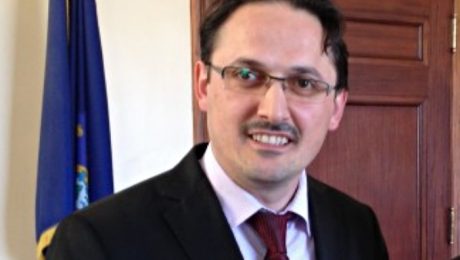
Turkish community leader in Hampshire condemns Russian ambassador’s assassination
“We are shocked and deeply saddened to learn of the tragic assassination of Russia’s Ambassador to Turkey, Andrei Karlov, who was speaking at an art gallery in Ankara,” said Eyup Sener, chairman of the Turkish Cultural Center New Hampshire. “We condemn in the strongest terms this heinous act of terror. No terrorist act can be justified, regardless of its perpetrators and their stated purposes.”

Turkey at the precipice
Turkey has a terror problem. The Islamic State, Kurdish extremists and radical leftists each pursue targets inside Turkey seemingly with impunity. Turkey is no stranger to terrorism, but for decades it managed to control the problem. Turkey’s security forces were efficient. Today, however, the situation has changed. Turkish President Erdogan has purged the military, the police, and intelligence professionals.


Fethullah Gülen: Turkey is being dragged into a civil war
Issuing a press statement following the latest terrorist attack in Turkey on Saturday, Muslim scholar Fethullah Gülen claimed that Turkey is being dragged into a civil war but underlined that sympathizers of the movement sometimes called after him would always remain peaceful no matter how they are treated.

Fethullah Gülen’s Message of Condolences and Condemnation of the Terrorist Attack in Istanbul
Fethullah Gülen: I condemn, in the strongest terms, the cruel terrorist attack carried out beside the Istanbul Beşiktaş Football Stadium that cost the lives of 44 of Turkish citizens, the majority of whom are members of the security forces.

Turkish families cope with aftermath of failed coup
“Even if you get more civilian control, it’s not more democratic,” Lars Haugom, a Norwegian expert on Turkish army, said. “It seems to be about party control, with [Turkish President Recep Tayyip] Erdogan and the AKP seeking to strengthen their control of the military.” Ceren, a general’s daughter, fears there’s little left to stop the authoritarian Erdogan now. “No one can say no to him,” she said. “This is his kingdom now.”
The Fall of Turkey
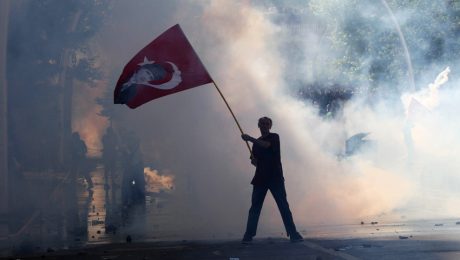
Western officials have preferred to raise concerns over the steady dismantling of Turkey’s free institutions only privately with their counterparts in Ankara. This approach has failed. That failure has left many millions of pro-democracy Turks to fend for themselves, while a once-fringe ideological element in the AKP, reared on Islamist supremacism, has been emboldened.

Has Turkey arrested Christian to exchange for Fethullah Gülen?
Turkey’s Erdogan regime has arrested an American pastor whom they could use in a possible exchange for the Turkish Muslim cleric they want to extradite from the United States. The Muslim Fethullah Gülen is accused by the Erdogan regime to be the mastermind behind the latest failed-military-coup intending to depose the president.

Turkey’s latest bombing will help its president amass more power
Mr Erdogan likes to cast himself as a cure for the chaos spreading across Turkey. Yet he is also one of its causes. Courting the nationalist vote, Mr Erdogan has ruled out peace talks with the PKK. Responding to PKK attacks against security targets in 2015, he inflamed the conflict by arresting Kurdish politicians, pulverising towns in the southeast, and displacing some 500,000 people.

EU and Turkey’s rights abuse
How did Turkey plunge into this mess of freedom suffocation, and what has really gone wrong with the once-admired President Erdogan ? While I keep pondering on these questions, I believe it is not too late for the Turkish government to retrace its steps and embrace full democratic norms.

Erdogan blackmails President-Elect Trump
“Turkey desperately wants the U.S. government to extradite an imam [Turkish cleric Fethullah Gulen],” Maddow explained. “They [the U.S.] have said that they are not extraditing him. But if that’s what you wanted, what if you could squeeze the personal financial interests of the American president as a way to get what you want from the American government?”


