
European Human Rights Treaty Faces Legal And Political Tests
Date posted: November 6, 2025
Calls for reform, landmark court rulings, and rising political pressure put the European Convention on Human Rights at a crossroads across the continent.
Key Points
- The European Court of Human Rights rejected Turkey’s appeal, upholding violations of fair trial rights for 239 individuals convicted on terrorism charges linked to the Gülen movement.
- The ruling permits fair compensation and reopening of criminal proceedings within one year, potentially affecting over 10,000 pending cases and increasing Turkish courts’ workload.
- Council of Europe Secretary General Alain Berset expressed openness to discussing and possibly adapting the ECHR framework to address contemporary issues like migration.
The European human rights landscape is facing a period of exceptional turbulence, with recent decisions and debates placing the European Convention on Human Rights (ECHR) and its overseeing court at the heart of legal and political controversy. As the ECHR marks 75 years since its signing, its future and the reach of its protections are being hotly debated from Strasbourg to Westminster, and far beyond.
On Monday, November 3, 2025, the European Court of Human Rights (ECtHR) delivered a significant blow to the Turkish government’s legal strategy by rejecting Ankara’s appeal to refer a landmark ruling to the court’s Grand Chamber. According to Turkish media and corroborated by the BBC, this decision upholds the court’s July 22, 2025 finding that Turkey violated the rights of 239 individuals convicted on terrorism charges linked to the faith-based Gülen movement. The ECtHR found that Turkey had failed to ensure fair trials and had imposed criminal penalties without a clear legal basis.
The July ruling, now final, does more than just vindicate the named applicants. It allows for fair compensation for non-pecuniary damages and, crucially, permits the reopening of criminal proceedings if requested within one year of the decision. The court emphasized that the evidence used—such as the use of ByLock, an encrypted messaging app Turkish authorities claim was exclusive to Gülenists, membership in affiliated unions and associations, witness statements, banking at the shuttered Bank Asya, possession of related publications, donations, and residence in student housing—did not justify the convictions. Communications via other messaging apps like Kakao Talk or Eagle were also cited as insufficient evidence.
Legal analysts point out that the ECtHR’s rejection of Turkey’s appeal significantly expands the precedent set by the 2023 Yalçınkaya decision, which found systematic rights violations in Turkey’s prosecution of alleged Gülen movement members. This could affect more than 10,000 pending cases, enabling appeals and reassessment of defenses, and is expected to create a considerable workload for Turkish courts. The 2023 Yalçınkaya pilot judgment was designed to address systematic rights violations without re-examining thousands of identical cases individually, instead urging broader remedies from the Turkish government.
While the ECtHR’s decision in the Turkish cases reflects its commitment to upholding individual rights and fair trial standards, the very framework supporting these protections is under scrutiny elsewhere in Europe. The secretary general of the Council of Europe, Alain Berset, told the BBC on November 4, 2025, that he is “absolutely ready” to consider changes to the ECHR to address contemporary concerns—especially those related to migration. Berset emphasized, “I am ready, absolutely ready, and really open to engage in all political discussions, to see what we need to discuss, maybe to change or to adapt. Let us engage on migration issues and to see what we need to address and maybe to change. The most important point is to be ready to speak on all issues without taboo… and to see, then, what could be the possible consensus between member states.”
Since 2016, following a failed coup attempt that Turkish President Recep Tayyip Erdoğan blamed on the Gülen movement, Turkey has convicted more than 126,000 people for alleged links to the movement. As of November 5, 2025, more than 11,000 remain in prison, with ongoing legal proceedings for over 24,000 individuals and another 58,000 still under investigation nearly a decade later. The movement, inspired by the late Muslim cleric Fethullah Gülen, continues to deny involvement in the coup or any terrorist activity.
Berset’s comments come at a time when the ECHR faces intense political debate in the United Kingdom, particularly regarding its role in immigration cases. The UK government, led by the Labour Party, has stated it will not leave the ECHR but is reviewing domestic human rights law to make it easier to deport people who have no right to remain. Several deportation attempts have been halted by the interpretation of Article 8 of the ECHR, which protects the right to private and family life—a provision seen by some as an obstacle to effective immigration enforcement.
Political factions such as the Conservatives and Reform UK have gone further, pledging to withdraw from the ECHR if they win the next election. Reform UK’s Nigel Farage and Kemi Badenoch have both stated that leaving the ECHR is central to their plans for tackling immigration. However, as Berset warned, leaving the ECHR could risk isolating the UK from broader European discussions and diminishing its influence. “What I see is more the risk to be a bit isolated. It would mean to be not participating to all the discussion on migration, to take an influence,” he told the BBC.
The debate is not merely political; it is deeply rooted in public opinion and the nation’s post-war legacy. Amnesty International, reacting to Berset’s openness to reform, issued a warning, cautioning that “with populism on the march, the last thing we should do is tear up the safeguards designed to protect us from populists, at the behest of populists.” Tom Morrison, Amnesty International UK’s legal protections campaign manager, remarked, “Politicians seem convinced that they need to change the Convention, but when you ask people, as we have done, whether rights should apply to everyone, be permanent, and stay beyond the whims of the government of the day, the public is overwhelmingly in favour. These protections were created by Britain after the horrors of the Second World War precisely to defend us from unchecked power.”
Recent polling conducted by Savanta for Amnesty International underscores this sentiment. Asked directly about the human rights values contained in the ECHR, an overwhelming 87% of respondents said rights and laws must apply equally to everyone, 78% believe rights should be permanent, and 85% agree on the need for a legal safety net to hold politicians to account. When questioned specifically about ECHR membership, 48% supported remaining, 26% favored withdrawal, and 26% were undecided. This suggests that, despite political rhetoric, public support for the ECHR and its values remains solid.
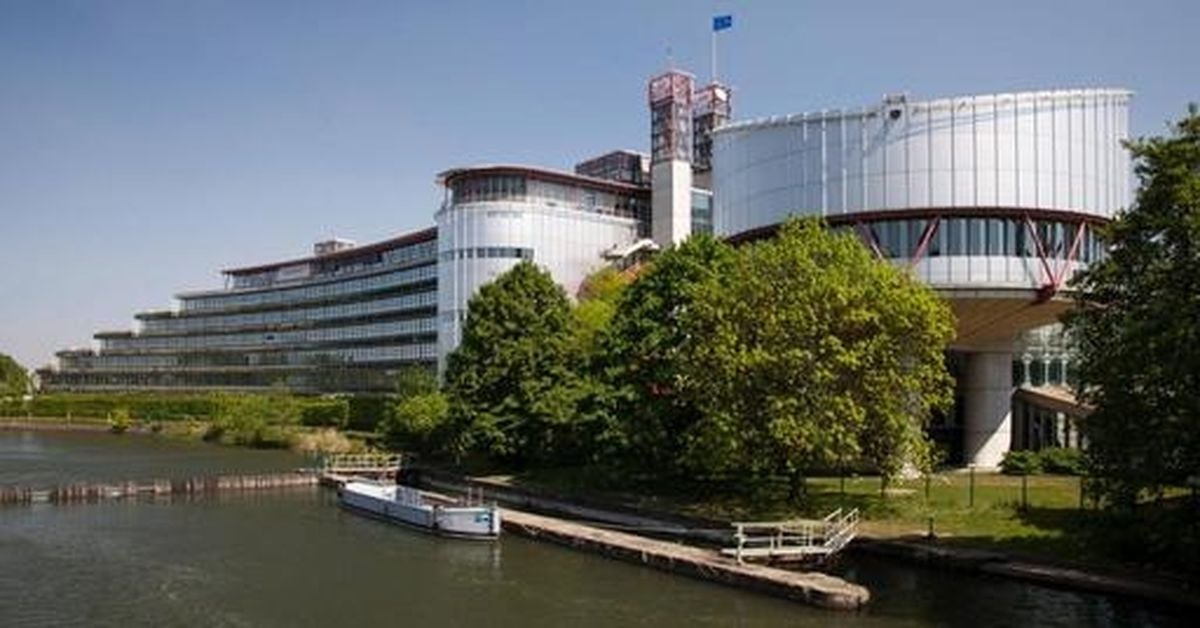
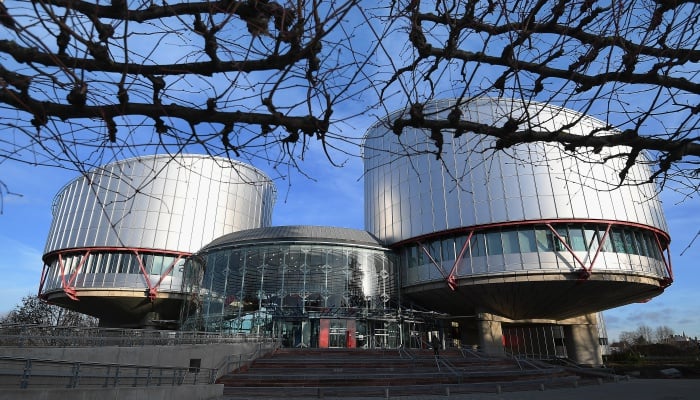
The ECHR, first signed on November 4, 1950, and in force since September 3, 1953, was the first legally-binding instrument to guarantee certain rights and freedoms set out under the Universal Declaration of Human Rights. The European Court of Human Rights in Strasbourg oversees the implementation of the convention across its 46 member states, allowing individuals to bring appeals on human rights cases after domestic legal avenues have been exhausted.
In the UK, the issue has become a flashpoint in Parliament. Last week, Nigel Farage’s attempt to bring forward legislation for UK withdrawal from the ECHR was blocked by MPs in a 96 to 154 vote. The motion, though not actual legislation, was a test of parliamentary appetite for a dramatic break with post-war human rights architecture. Meanwhile, Home Secretary Shabana Mahmood has called for the ECHR to “evolve” to meet new realities, reflecting a more moderate stance that seeks reform rather than rupture.
With more than 10,000 cases in Turkey now potentially subject to retrial and the UK’s relationship with the ECHR at a crossroads, the coming months will test the resilience and adaptability of Europe’s human rights system. The ECtHR’s recent rulings and the Council of Europe’s willingness to discuss reform show that the continent’s commitment to rights is strong—but not immune to the pressures of politics and populism. As the ECHR enters its eighth decade, its future will be shaped not just by courtrooms, but by the choices of governments and the will of the people.
Source: Evrim Agaci
Tags: Fethullah Gulen | Hizmet (Gulen) movement | Persecution of Hizmet by Erdogan |


